PRINCETON, NJ -- About a year ago, Illinois Sen. Barack Obama made known his intentions to run for president in the 2008 election. His showing thus far has not met the high expectations many had held for the young and charismatic senator. Though he has consistently placed second in Democratic nomination test ballots, his levels of support have been pretty flat since he entered the race. Based on his favorable ratings among all Americans, he rates as one of the most (if not the most) popular presidential candidates. Blacks and young adults rank among his greatest supporters, both in the country at large and within Democratic ranks.
Opinions of Obama
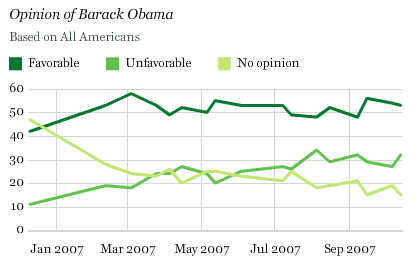
Over the past two months, Obama has averaged a 53% favorable rating and a 30% unfavorable rating across four Gallup Polls. Seventeen percent still are not familiar enough with Obama to offer an opinion of him. His favorable rating edges out those of Hillary Clinton and Rudy Giuliani as the highest among the leading presidential candidates of both parties. But on a relative basis, his +23 net favorable rating (% favorable – % unfavorable) is the best.
Clinton -- currently the comfortable front-runner for the Democratic presidential nomination -- has just a +5 net favorable score given that her relatively strong favorable is offset by the highest unfavorable ratings of any candidate.
|
Favorable Ratings of Leading Presidential Candidates,
|
||||
|
Candidate |
% Favorable |
% Unfavorable |
% No opinion |
Net Favorable |
|
|
|
|
|
pct. pts. |
|
Obama |
53 |
30 |
17 |
+23 |
|
Giuliani |
52 |
34 |
14 |
+18 |
|
Clinton |
51 |
46 |
4 |
+5 |
|
Edwards |
49 |
33 |
18 |
+16 |
|
McCain |
48 |
34 |
18 |
+14 |
|
Thompson |
35 |
24 |
41 |
+11 |
|
Romney |
27 |
31 |
42 |
–4 |
Usually, presidential candidates see their unfavorable ratings climb over the course of the campaign, as they become clearly identified with one party or the other in Americans’ minds. That dynamic applies to Obama as well, who has seen his unfavorable score rise from 18% in March to 32% in the most recent poll, with most of that increase coming among Republicans.
Obama’s initial 42% favorable rating from last December quickly increased to 58% by early March, before falling back to the low 50s in late March. It has been in the high 40% to mid-50% range since that time.
Within his own party, though, Obama does not rate as positively as Clinton, and not much more positively than John Edwards. Obama’s deficit to Clinton on this measure is a key weakness in his quest for the party’s nomination.
|
Favorable Ratings of Leading Presidential Candidates
|
||||
|
Candidate |
% Favorable |
% Unfavorable |
% No opinion |
Net Favorable |
|
|
|
|
|
pct. pts. |
|
Clinton |
78 |
19 |
3 |
+59 |
|
Obama |
67 |
18 |
14 |
+49 |
|
Edwards |
64 |
19 |
17 |
+45 |
Even so, Democrats, as would be expected, are one of the groups that have the most positive ratings of Obama. His other core support groups -- all of which have net favorable ratings in excess of +30 -- include blacks, college graduates, and young adults, in particular young women. (Obama’s ratings among all major subgroups are displayed at the end of the article.)
|
Subgroups With Most Positive Views of Barack Obama
|
||||
|
Subgroup |
% Favorable |
% Unfavorable |
% No opinion |
Net Favorable |
|
|
|
|
|
|
|
Black |
71 |
10 |
19 |
+61 |
|
Liberal |
71 |
14 |
15 |
+57 |
|
Democrat (w/leaners) |
67 |
18 |
14 |
+49 |
|
College graduate |
65 |
26 |
9 |
+39 |
|
Moderate |
58 |
24 |
18 |
+34 |
|
Female, 18 to 49 years old |
55 |
23 |
22 |
+32 |
|
18 to 34 years old |
55 |
23 |
22 |
+32 |
|
$75,000 or more household income |
61 |
30 |
8 |
+31 |
Obama’s Support for the Democratic Nomination
At this point, Obama’s standing in the Democratic nomination race is most relevant to gauging his presidential fortunes, and those fortunes may be beginning to turn downward. In the most recent USA Today/Gallup poll election update, 21% of Democrats supported Obama for the Democratic presidential nomination, one of his worst showings to date. His current 29-point deficit to Clinton on the national test ballot is the largest he has faced. His support has been in the 25% range since late June, and has reached the 30% level only once this year.
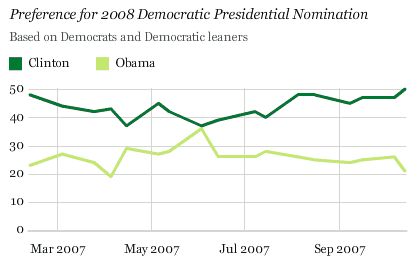
Given that Clinton has such a commanding lead, it is no surprise that she leads Obama among all major Democratic subgroups, according to combined data from the four most recent Gallup election surveys, conducted in September and October. Obama’s support averaged 24% among all Democrats across these surveys.
Several of the groups within the general population that view Obama most favorably also are among the Democratic constituencies most likely to name Obama as their No. 1 choice for the 2008 Democratic presidential nomination.
On a relative basis, Obama’s strongest showing is among black Democrats -- 40% favor him for the nomination, but he still trails Clinton by nine points among this group.
Obama’s support also skews toward younger Democrats -- 35% of those aged 18 to 34 favor him for the nomination, compared with 25% of 35- to 54-year-olds, and only 15% of Democrats aged 55 and older.
In addition to blacks and young Democrats, Obama fares better among Democrats in the Midwest, younger males, and those with children under 18.
|
Support for Barack Obama for Democratic Presidential Nomination, by Subgroup,
|
||
|
Subgroup |
Obama |
Clinton |
|
|
% |
% |
|
All Democrats/Democratic leaners |
24 |
48 |
|
|
|
|
|
Men |
27 |
41 |
|
Women |
22 |
52 |
|
|
|
|
|
White |
20 |
48 |
|
Black |
40 |
49 |
|
|
|
|
|
18 to 34 years old |
35 |
45 |
|
35 to 54 years old |
25 |
47 |
|
55 years and older |
15 |
50 |
|
|
|
|
|
East |
19 |
53 |
|
Midwest |
30 |
44 |
|
South |
23 |
51 |
|
West |
26 |
41 |
|
|
|
|
|
Urban |
23 |
52 |
|
Suburban |
27 |
44 |
|
Rural |
20 |
52 |
|
|
|
|
|
College grad |
27 |
41 |
|
Not a college grad |
23 |
50 |
|
|
|
|
|
Male, 18 to 49 |
35 |
39 |
|
Male, 50+ |
17 |
44 |
|
Female, 18 to 49 |
27 |
54 |
|
Female, 50+ |
17 |
52 |
|
|
|
|
|
Less than $30,000 |
21 |
56 |
|
$30,000 to less than $75,000 |
25 |
48 |
|
$75,000 or more |
29 |
40 |
|
|
|
|
|
Attend church weekly |
23 |
48 |
|
Attend nearly weekly/monthly |
27 |
45 |
|
Seldom/never attend |
23 |
48 |
|
|
|
|
|
Liberal |
28 |
48 |
|
Moderate |
24 |
46 |
|
Conservative |
19 |
50 |
|
|
|
|
|
Married |
25 |
44 |
|
Not married |
24 |
51 |
|
|
|
|
|
Married men |
25 |
39 |
|
Unmarried men |
29 |
44 |
|
Married women |
24 |
48 |
|
Unmarried women |
21 |
55 |
|
|
|
|
|
Children under 18 |
31 |
46 |
|
No children under 18 |
20 |
51 |
Implications
Obama and his Democratic rivals have their work cut out for them in trying to defeat Clinton for the Democratic nomination. The fact that Clinton leads not only among Democrats nationwide but also among every key Democratic subgroup makes targeting one’s campaign efforts a challenge. Obama’s relatively strong appeal to black and young Democrats is somewhat of a double-edged sword, because those groups are usually among the least likely to turn out to vote. But Obama’s ability to inspire people may help him capitalize on his strengths among these groups. His relatively weak support among older Democrats (and older Americans) is somewhat of a liability, because this is one of the groups most likely to vote.
Should Obama survive the Democratic primaries, he may be fairly well positioned to win the presidency, given his relatively high favorable ratings and a political environment that currently advantages the Democratic Party.
Survey Methods
Results are based on telephone interviews with 1,009 national adults, aged 18 and older, conducted Oct. 12-14, 2007. For results based on the total sample of national adults, one can say with 95% confidence that the maximum margin of sampling error is ±3 percentage points.
For results based on the 4,057 combined interviews of national adults aged 18+ from Gallup Polls conducted Sept. 7-8, Sept. 14-16, Oct. 4-7, and Oct. 12-14, the maximum margin of sampling error is ±2 percentage points.
For results based on the 2,019 combined interviews of Democrats and Democratic-leaning independents from Gallup Polls conducted Sept. 7-8, Sept. 14-16, Oct. 4-7, and Oct. 12-14, the maximum margin of sampling error is ±3 percentage points.
In addition to sampling error, question wording and practical difficulties in conducting surveys can introduce error or bias into the findings of public opinion polls.
|
Barack Obama Favorable Ratings by Subgroup,
|
||||
|
Subgroup |
Favor-
|
Unfavor-
|
No opinion |
Net Favorable (% Favorable – % Unfavorable) |
|
|
% |
% |
% |
% |
|
All Americans |
53 |
30 |
17 |
+23 |
|
|
|
|
|
|
|
Democrat |
68 |
19 |
14 |
+49 |
|
Independent |
52 |
28 |
20 |
+24 |
|
Republican |
36 |
47 |
17 |
–11 |
|
Democrat (w/leaners) |
67 |
18 |
14 |
+49 |
|
Republican (w/leaners) |
36 |
47 |
17 |
-11 |
|
|
|
|
|
|
|
Men |
50 |
34 |
16 |
+16 |
|
Women |
55 |
26 |
19 |
+29 |
|
|
|
|
|
|
|
White |
50 |
33 |
17 |
+17 |
|
Black |
71 |
10 |
19 |
+61 |
|
|
|
|
|
|
|
18 to 34 years old |
55 |
23 |
22 |
+32 |
|
35 to 54 years old |
54 |
29 |
16 |
+25 |
|
55 years and older |
49 |
36 |
15 |
+13 |
|
|
|
|
|
|
|
East |
57 |
27 |
16 |
+30 |
|
Midwest |
55 |
25 |
19 |
+30 |
|
South |
48 |
35 |
17 |
+13 |
|
West |
53 |
30 |
18 |
+23 |
|
|
|
|
|
|
|
Urban |
56 |
27 |
16 |
+29 |
|
Suburban |
55 |
30 |
15 |
+25 |
|
Rural |
42 |
33 |
25 |
+9 |
|
|
|
|
|
|
|
College grad |
65 |
26 |
9 |
+39 |
|
Not a college grad |
47 |
32 |
21 |
+15 |
|
|
|
|
|
|
|
Male, 18 to 49 |
53 |
30 |
17 |
+23 |
|
Male, 50+ |
47 |
38 |
14 |
+9 |
|
Female, 18 to 49 |
55 |
23 |
22 |
+32 |
|
Female, 50+ |
54 |
30 |
16 |
+24 |
|
|
|
|
|
|
|
Less than $30,000 |
46 |
26 |
27 |
+20 |
|
$30,000-less than $75,000 |
52 |
31 |
17 |
+21 |
|
$75,000 or more |
61 |
30 |
8 |
+31 |
|
|
|
|
|
|
|
Attend church weekly |
48 |
35 |
17 |
+13 |
|
Attend nearly weekly/monthly |
55 |
28 |
17 |
+27 |
|
Seldom/never attend |
55 |
28 |
17 |
+27 |
|
|
|
|
|
|
|
Liberal |
71 |
14 |
15 |
+57 |
|
Moderate |
58 |
24 |
18 |
+34 |
|
Conservative |
36 |
47 |
17 |
–11 |
|
|
|
|
|
|
|
Liberal Democrat |
76 |
12 |
11 |
+64 |
|
Moderate Democrat |
67 |
18 |
16 |
+49 |
|
Conservative Democrat |
51 |
31 |
17 |
+20 |
|
Pure independent |
43 |
24 |
34 |
+19 |
|
Moderate or Liberal Republican |
48 |
31 |
21 |
+17 |
|
Conservative Republican |
29 |
56 |
15 |
–27 |
|
|
|
|
|
|
|
Married |
51 |
34 |
15 |
+17 |
|
Not married |
54 |
25 |
21 |
+29 |
|
|
|
|
|
|
|
Married men |
48 |
39 |
12 |
+9 |
|
Unmarried men |
54 |
25 |
21 |
+29 |
|
Married women |
55 |
28 |
17 |
+27 |
|
Unmarried women |
55 |
25 |
20 |
+30 |
|
|
|
|
|
|
|
Children under 18 |
52 |
28 |
21 |
+24 |
|
No children under 18 |
55 |
30 |
15 |
+25 |
