
What Is the Employee Experience, and How Do You Improve It?
The employee experience is the complete journey employees have with your organization, from their first interaction with you to their exit. Your workplace culture, daily interactions and key moments in the employee life cycle shape that experience. This page explains what the employee experience is, why it matters and how organizations can strengthen it.
What Is the Employee Experience?
What Is the Employee Experience?
The employee experience is the sum of all interactions employees have with an employer, from their first interaction with you through after they leave. It includes everything from workplace culture to expectations and daily work.
Key Elements of the Employee Experience
- Every moment in an employee’s experience shapes how they feel about an employer’s purpose, brand and culture.
- A strong employee experience depends on what happens at crucial moments during hiring, onboarding, development, recognition and exit.
- Manager quality is often the single biggest factor in determining whether employees have a positive or negative experience.
- The employee experience affects key outcomes such as employee engagement, employee retention, team performance and organizational reputation.
- Organizations enhance the experience when they use a clear employee experience framework that aligns culture, processes and people.
What the Employee Experience Includes
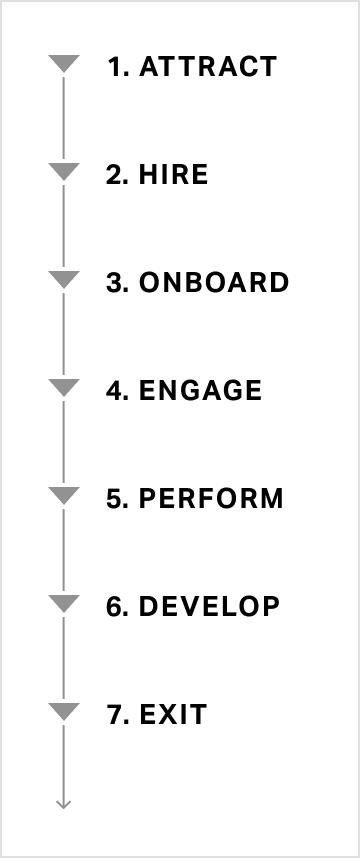
At its core, the employee experience encompasses every interaction employees have with your organization before, during and after their time with you. It covers major milestones, such as attraction, hiring, onboarding, performance conversations and exit, as well as the everyday moments that shape how work actually feels.
These interactions include personal relationships, team dynamics, the way people use technology, workspace conditions, and the routines and rituals that reflect your culture. Together, they form the day-to-day reality of employment: how employees understand “how we do things here,” what you expect of them, and how their role connects to your purpose and values.
Why Is the Employee Experience Important?
Why Is the Employee Experience Important?
The employee experience matters because it influences employee engagement, employee retention, performance and employer branding. It affects how quickly employees become productive, how long they stay and how they describe your organization to others.
Why the Employee Experience Is a Strategic Priority

Successful organizations intentionally invest in the employee experience because it:
-
shapes whether employees believe in your purpose
-
determines how quickly new hires gain confidence during the onboarding process
-
influences whether high performers see a future with your organization
-
affects how employees describe your workplace to peers, which can strengthen or weaken your employer branding
-
supports talent acquisition outcomes by shaping how people inside and outside your organization perceive your culture
How Everyday Moments Influence Organizational Outcomes
The employee experience stems from everyday interactions, including how clearly the organization communicates expectations, how it handles recognition, how managers support their teams and how work truly gets done. These moments shape whether employees feel their work is meaningful and connected to your purpose, which in turn affects performance.
Doubling the percentage of employees who strongly connect their job to their organization’s purpose is associated with:


How Experience Shapes Commitment and Brand Advocacy
Employees’ experiences across the employee life cycle influence whether they stay, return in the future or encourage talented peers to join. These impressions have a direct impact on employer branding and talent acquisition. Exceptional employee experiences create valuable brand ambassadors long after employees leave your organization.
Why the Employee Experience Supports Long-Term Performance
The best employee experience practices build strong performance through meaningful manager relationships, clear expectations and opportunities for employee development. These experiences improve employee wellbeing and give people reasons to invest their careers in your organization. Because of its impact on engagement, retention and organizational reputation, improving the employee experience should be a strategic priority for every leader.
Employee Experience vs. Employee Life Cycle
Employee Experience vs. Employee Life Cycle
The employee experience is the full journey employees have with your organization. The employee life cycle is the set of stages that organize and manage that journey. Employees feel the experience emotionally. Organizations manage the life cycle operationally.
How These Concepts Relate to One Another
-
The employee experience includes the day-to-day perception employees form about their workplace.
-
The employee life cycle breaks the journey into defined stages, making it easier to design and improve the experience.
-
A strong experience requires consistent positive moments at each stage of the employee life cycle.
-
Leaders use the life cycle to identify areas where changes can enhance employee engagement, performance and retention.
- What employees feel
- Emotional and relational
- Continuous
vs.
- Stages organizations manage
- Operational and structural
- Defined steps
The Employee Experience: The Full Journey Employees Feel
The employee experience is the overall view that employees form during their time with your organization. It reflects how people see your culture, their relationships with managers and coworkers, their opportunities for employee development, and their daily interactions at work.
These perceptions form gradually through moments such as the onboarding process, team collaboration, recognition and feedback.
The Employee Life Cycle: The Stages That Structure the Journey

The employee life cycle provides the practical structure behind the employee experience. It outlines the predictable stages employees move through: attraction, hiring, onboarding, engagement, performance, development and departure.
By defining where key interactions occur, the life cycle helps leaders see where they need to clarify expectations, strengthen support and reinforce culture.
How the Life Cycle Shapes the Experience
While the employee experience captures what people feel, the employee life cycle shows where those feelings take shape. The quality of each stage, from early moments like new hire onboarding to later touchpoints such as an employee exit interview, guides whether employees believe your culture is authentic and supportive.
A strong life cycle design creates the conditions for consistent, positive experiences.
Why This Distinction Matters
Leaders improve the employee experience when they deliberately design each stage of the life cycle. A clear employee experience framework helps ensure that every moment reinforces purpose, builds trust and strengthens employee engagement.
When the stages of the life cycle are well-designed, the overall experience improves, supporting stronger performance and long-term retention.
What Are the Employee Life Cycle Stages?
What Are the Employee Life Cycle Stages?
The employee life cycle is a structured model with seven stages that shape how employees perceive their workplace: attract, hire, onboard, engage, perform, develop and depart.
The Seven Employee Life Cycle Stages

Together, these stages form the core of the employee life cycle model, providing leaders with a framework for understanding the employee experience that helps them anticipate the moments that most influence how employees feel and perform at work.
-
Attract
Employees begin forming opinions about an organization long before they apply. During this stage, potential candidates notice your culture, values and employer branding, influencing how you succeed in attracting and retaining talented employees.
-
Hire
During the hiring process, you set expectations and introduce candidates to your culture and decision-making style. When you have a fair and transparent process, you show organizational consistency and reinforce the values employees will experience once they join.
-
Onboard
The onboarding process affirms the decision to join your organization. An effective employee onboarding process explains expectations, builds early relationships, and accelerates confidence and early employee development.
Organizations that invest in a clear employee onboarding strategy ensure that the onboarding of an employee is consistent, supportive and aligns with the broader culture.
-
Engage
During this stage, employees evaluate their daily experiences: role clarity, recognition, manager support and opportunities to do what they do best. These factors influence employee engagement, wellbeing and long-term commitment.
-
Perform
Employees assess how the organization manages and supports performance. Processes such as employee performance review communicate what the organization values and how it defines success.
-
Develop
Development opportunities shape employees’ beliefs in their future with the organization and can range from informal opportunities to formal structures like an employee development plans.
-
Depart
The employee exit process, including communication and the employee exit interview, affects both departing employees and those who remain. Positive transitions strengthen trust and reinforce your employment brand.
A thoughtful and transparent employee exit procedure reinforces trust during one of the most sensitive phases of the journey.
How Can You Improve the Employee Experience?
How Can You Improve the Employee Experience?
Gallup’s Employee Experience Improvement Framework
- Understand the current journey.
- Map the moments that matter.
- Improve each stage of the employee life cycle.
- Equip managers to lead great experiences.
- Align processes and culture.
- Measure and refine over time.
The first step in improving the employee experience journey is to understand how employees progress through the employee life cycle and what those moments feel like from their perspective.
Then, thoughtful employee experience design helps organizations ensure that processes, systems, and manager behaviors reinforce the values and purpose employees are expected to demonstrate at work.
See the Journey Through the Employee’s Eyes
A practical way to improve the employee experience is to use employee journey mapping to imagine the workplace from the employee’s perspective.

Walk through the employee life cycle and ask questions such as:
-
What does it feel like to be recruited and hired by our organization?
-
What is it like to be coached or recognized here?
-
What does it feel like to leave our organization?
Viewing these experiences from a first-person, emotional perspective helps leaders recognize the moments that shape trust, connection and long-term commitment.
From there, leaders can focus on improving the experience at each stage of the employee life cycle.
Design Each Stage of the Employee Life Cycle
Recruit Top Talent
To improve attraction, communicate the organization’s culture and values authentically and consistently. Candidates increasingly look for workplaces that fit their lifestyle, wellbeing and purpose.
When considering whether to take a job with a different organization, 60% of employees rate having greater work-life balance and better personal wellbeing as a very important attribute.
When internal experiences align with the brand promise, organizations naturally enhance talent acquisition and minimize misalignment during the hiring process. A well-designed employee experience acts as an employer branding strategy.
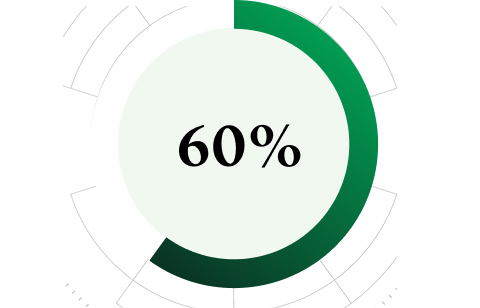
60% of employees rate having greater work-life balance and better personal wellbeing as a very important attribute
Pick the Stars
Improving the hiring experience requires a process that is fair, transparent and true to the organization’s culture. It should reflect both role expectations and the kind of workplace culture candidates are joining.
To improve the odds of hiring top talent, organizations need to use objective, scientifically rigorous evaluations that can predict performance and balance out common manager biases.
Affirm the Decision
To improve onboarding, organizations must do more than provide information. They need to help new employees build relationships, understand expectations and connect to the organization's purpose.
Onboarding is often the stage at which employees decide whether their initial impressions of the organization are accurate. Yet only 23% of employees strongly agree that the onboarding process for their current job was exceptional.
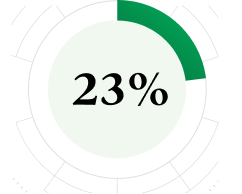
Only 23% of employees strongly agree that the onboarding process for their current job was exceptional.

New employees come to your organization with a lot of personal and emotional questions:
-
How do we do things?
-
What are my strengths?
-
What is my role?
-
Who are my key partners?
-
Who are my friends?
-
What does my future here look like?
Effective onboarding goes beyond orientation. It helps employees build connections, understand how work gets done and gain confidence quickly. A strong onboarding experience affirms their decision to join.
Build Strengths and Purpose
Improving engagement focuses on stronger relationships between managers and employees. Managers account for 70% of the variance in team-level engagement and are best positioned to influence the key factors that shape employee engagement.
Engagement remains one of the most powerful differentiators of employee performance, yet only 20% of employees globally and 31% in the U.S. are engaged.
Effective team engagement strategies depend on managers who care about their people, hold them accountable, recognize excellence and invest in their long-term growth.
Engaging employees requires equipping managers to have ongoing, meaningful conversations and to individualize their support to each person.
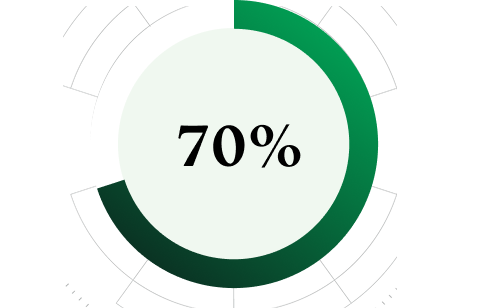
Managers account for 70% of the variance in team-level engagement
Motivate Great Work
Improving the performance experience starts with shifting away from one-sided, annual evaluations toward continuous, meaningful feedback.
Traditional performance management methods are failing: Just two in 10 employees strongly agree that their performance is managed in a way that motivates them to do outstanding work.
Employees respond best to continuous performance management approaches that provide regular feedback and recognition and reflect their contributions. Employees need to feel that someone reviews their performance, including individual achievements, team collaboration and customer value, in a fair and comprehensive manner.
Coach Career Growth
To improve the development experience, leaders should provide clear opportunities for learning, growth and new responsibilities.

Career growth is one of the top reasons employees stay or leave their jobs. Many workers feel that traditional career paths do not meet their desire for ongoing development. Employees want opportunities to build new skills, work with different teams and take on greater responsibility.
Development happens best through frequent coaching conversations that explore aspirations, build strengths and outline clear paths forward.
Engaged employees report having meaningful feedback at least once per week. Ongoing conversations can be quick connections that last 10 to 30 minutes, deeper developmental feedback or semiannual employee progress reviews.
Create a Positive Exit Experience
Improving the exit experience means treating departing employees with dignity and transparency.
The exit stage is one of the most emotional phases of the employee journey. Regardless of the reason for leaving, employees want to feel heard and valued for their contributions.
A well-planned exit experience helps employees leave with a positive view of their time with the organization. These employees often become influential ambassadors who strengthen the organization’s reputation, support future talent attraction and reinforce effective employee retention strategies for the teams that remain.
How Do You Measure Employee Experience?
How Do You Measure Employee Experience?
You measure employee experience by evaluating how employees feel at key moments across the employee life cycle using surveys, analytics, conversations and transition feedback.
Key Measurement Methods
-
Employee Surveys
-
Analytics
-
Qualitative conversations
-
Transition feedback
-
External perception signals
-
Experience platforms (Gallup Access)
Measure the Moments That Matter
Organizations that create meaningful employee experience metrics examine important touchpoints across the employee life cycle. Life cycle mapping helps leaders understand what employees encounter at key stages: attraction, hiring, onboarding, performance, development and exit.
This approach highlights both the high points that reinforce the organization’s culture and the friction points that may detract from the experience.
Use Surveys and Analytics to See Patterns

Employee experience surveys provide organizations with a structured way to evaluate perceptions at scale. The results can reveal patterns in employees’ daily work lives.
Survey analytics help leaders see where experiences are consistent and where they break down. These insights point to opportunities to improve clarity, support and alignment across the organization.
Build an Employee Listening Strategy to Gather Qualitative Insights
Quantitative data alone cannot explain the whole employee experience. Manager-employee conversations, onboarding discussions and performance check-ins offer rich qualitative insights into how employees handle their roles, relationships and work environment.
These conversations reveal emotional and practical realities that metrics alone cannot capture. They help leaders understand the experience at a human level.
Study Key Transitions and Exit Feedback
Key transition moments, especially onboarding and exit, reveal how effectively organizations support employees at the beginning and end of their journey.
Early impressions during onboarding reveal whether employees gain clarity and connection, while exit conversations uncover root causes of turnover and opportunities to improve the experience for future employees. These insights often expose themes that repeat across teams or stages.

Consider External Signals Beyond the Organization
External perception contributes to the overall employee experience. Reviews, social listening data and informal reputation signals can reveal how people outside your organization see your culture.
These insights help leaders understand whether internal experiences align with the brand they want to present and whether the workplace fulfills the promises it makes to employees.
What Are Employee Experience Best Practices?
What Are Employee Experience Best Practices?
Effective employee experience best practices meet employees’ core needs at every stage of the employee life cycle. These practices help employees feel supported, connected and able to do their best work, thereby strengthening engagement, performance and long-term organizational success.
Key Employee Experience Best Practices
- Equip managers to develop strong relationships and coach employees effectively.
- Set clear expectations so employees understand their roles.
- Build team relationships that create trust, collaboration and a sense of belonging.
- Provide a physical or virtual workspace that supports focus, productivity and comfort.
- Treat workplace wellbeing as a central part of the everyday work experience.
Managers: The Most Important Relationship in the Workplace
The relationship between employees and their managers is the single most influential factor in how people experience work. Employees look for managers who care about them, hold them accountable, recognize excellence and coach them for future growth.
When managers understand each employee’s strengths and aspirations, they can provide individualized support and help employees recognize their value now and in the future.
Investing in a manager development program that promotes employee experience best practices is key to a successful workplace strategy.
Role Clarity: Setting Expectations Early and Often
Lack of clarity about what is expected at work is one of the most common barriers to a positive workplace experience. Employees need to understand their responsibilities, how their role contributes to team and organizational success, and what great performance looks like.
Clear expectations reduce friction, increase confidence and support accountability. When organizations communicate expectations early and reinforce them through ongoing dialogue, role clarity becomes a stabilizing force across the employee life cycle.

Team Relationships: Building Trust and Collaboration
People perform at their best when they trust the people they work with and feel like valued members of the team. Teams shape daily experiences, including how employees solve problems, share information, navigate conflict and achieve results together.
Strong team relationships support a sense of belonging, reduce uncertainty and create a psychologically safe workplace where employees feel connected to the organization’s broader mission.
Improving the employee experience often requires improving the team environment: aligning goals, reinforcing healthy norms and building partnerships that support collaboration.
Workspace: Reducing Friction and Supporting How People Work
The workspace is an important, and often overlooked, part of the employee experience. Whether employees work on-site, remotely or in hybrid arrangements, they need environments that minimize issues and support focus.

This includes access to the right tools, ergonomic considerations, space for collaboration and surroundings that reflect the culture the organization wants to promote. When employees feel comfortable and supported in their work environment, they can focus on contributing value instead of navigating unnecessary obstacles.
When these elements come together, the workspace supports both productivity and the broader system of employee experience design that shapes how people feel at work.
Workplace Wellbeing: A Foundation for Thriving Employees
Employees cannot fully contribute when they feel stressed, burned out or unable to balance work and life demands. Wellbeing influences whether employees have good days at work and whether they can bring their best energy and attention to what they do.
Supporting wellbeing in the workplace means more than launching workplace wellbeing programs. It requires rethinking how people work, how managers lead and how the organization makes decisions.
Gallup identifies five elements of wellbeing: career, social, financial, physical and community.
Employee Experience vs. Employee Engagement
Employee Experience vs. Employee Engagement
The employee experience is the full journey employees take with your organization. Employee engagement is their psychological response to that journey. Engagement rises or falls based on the quality of employees’ daily experiences, especially in their relationship with their manager.
How the Employee Experience and Employee Engagement Relate
-
The employee experience encompasses the environment and interactions that employees encounter throughout the employee life cycle.
-
Employee engagement is how employees psychologically respond to those experiences.
-
Daily relationships, expectations and support create engagement, not perks or one-time events.
-
Managers shape most of the conditions that influence engagement.
-
Engagement strengthens the employee experience but does not replace it.
- The full journey employees take with your organization.
- Includes all interactions and environments employees encounter.
- Broad and continuous across the employee life cycle.
- Sets the conditions employees walk into.
- Experience is the context.
vs.
- The psychological response to that journey.
- Reflects how employees feel about their work day to day.
- Fluctuates based on daily experiences, especially manager relationships.
- Shows whether employees are enthusiastic, committed and involved.
- Engagement is the reaction.
Employee Experience: The Full Journey
The employee experience includes every interaction employees have with your organization, from pre-hire impressions to departure and beyond. It includes the culture that employees observe, the expectations they receive, the support they receive and the relationships they form.
Experience is broad and continuous. It describes the environment employees enter each day and how consistently that environment reflects the organization’s purpose and values.
Employee Engagement: The Psychological Reaction to That Journey

Employee engagement refers to how employees feel about their work in response to their work experience. Engaged employees feel enthusiasm, involvement, commitment and a willingness to give discretionary effort.
Gallup’s research shows that engagement is based on basic psychological needs such as knowing what’s expected, having the resources to do great work, using one’s strengths and connecting work to purpose.
Why Engagement Depends on Managers
Managers shape much of the employee experience because they interpret expectations, clarify priorities and build relationships. Not surprisingly, managers account for 70% of the variance in team-level engagement.
Through consistent conversations, recognition, and meaningful feedback, managers help employees feel valued and supported. When managers do not meet these needs, even highly talented employees may disengage.
How Engagement Influences the Employee Experience
Engagement and experience reinforce one another. Engaged employees are more resilient, more loyal and more likely to advocate for their organization. Their mindset shapes how they interpret other aspects of the experience, from culture and communication to wellbeing and development.
At the same time, a strong experience is necessary to sustain engagement. When wellbeing suffers or development stalls, engagement weakens even if enthusiasm starts high.

Employee Experience Is Broader. Engagement Is Central
The employee experience includes everything employees encounter, from their workspace and technology to their wellbeing and career growth. Engagement is one essential part of that experience, but it does not cover the full experience.
Leaders who focus on both experience and engagement create workplaces where employees thrive, stay and perform at their best, setting the stage for lasting employee experience transformation.
How Do You Develop an Employee Experience Strategy?
How Do You Develop an Employee Experience Strategy?

To develop an effective employee experience strategy, leaders must first define the culture they want employees to experience and then design each stage of the employee life cycle to reflect that vision consistently.
This work involves identifying key interactions, understanding how employees experience them today, and developing a coordinated plan that strengthens their journey.
How to Build an Employee Experience Strategy: A Step-by-Step Road Map
-
Clarify Your Purpose, Brand and Culture
An employee experience strategy starts when leaders understand who they are as an organization. Employees judge whether your stated values match their day-to-day reality.
Before redesigning processes, leaders should communicate the purpose, cultural expectations and identity they want employees to experience. Then, they need to use those commitments to guide future decisions.
-
Map the Current Employee Life Cycle
Next, examine the employee life cycle from attraction through exit. Document what employees encounter during each stage, what messages they hear, how work gets done and where breakdowns occur. Understanding the existing journey from a first-person perspective reveals gaps between intent and experience.
-
Identify the Most Important Moments
Some interactions carry more weight in shaping perceptions: the hiring decision, the onboarding experience, early manager relationships, performance conversations and exit discussions.
These moments influence trust, confidence and long-term commitment. Prioritizing the most important moments ensures that improvements have a meaningful effect.
-
Diagnose Strengths, Friction Points and Cultural Gaps
Use surveys, conversations and performance insights to see which parts of the experience work well and which weaken confidence or clarity.
Leaders may find that employees feel energized by their work but lack clear development pathways, or that a strong hiring process leads to an onboarding experience that leaves new hires uncertain about their next steps. This diagnostic step creates the base for the strategy.
-
Design Improvements for Each Stage of the Journey
Once clear priorities are set, design solutions that improve the experience at the moments that matter most. These changes may include reinforcing expectations, improving employee onboarding workflows, strengthening manager training, refining performance practices or updating development paths.
The goal is coherence: Each change should reinforce the culture you want employees to experience.
-
Equip Managers to Deliver the Experience Consistently
Managers bring the strategy to life. Their conversations, decisions and coaching behaviors shape how employees interpret their experience.
Leaders should invest in manager development so managers can individualize support, clarify expectations and create the conditions for employees to thrive. Without capable managers, even the strongest strategy will fall short.
-
Measure Progress and Refine the Strategy Over Time
An effective employee experience strategy continues to evolve.
Leaders should regularly check whether improvements strengthen engagement, clarify expectations and support development. Measurement tools, such as feedback from onboarding, performance discussions and exit interviews, help leaders track progress and adjust the experience as the organization changes.
Employee Experience Consulting: How Gallup Can Help
Employee Experience Consulting: How Gallup Can Help
Gallup offers employee experience solutions that help organizations understand their current employee experience and design a strategy that fits their purpose, brand and culture. We also equip managers to deliver consistent, meaningful experiences across the employee life cycle.

Insight and analytics reveal the moments that matter most across the employee life cycle and highlights strengths, friction points, and opportunities to improve.

Strategic guidance that aligns your employee journey with your organization’s purpose, brand and culture so that everyday interactions reflect your identity.

Manager development that builds the coaching, clarity, and relationship skills managers need to create consistent, supportive experiences that lead to strong performance.