![Burnout PP > Hero Card > 2026-06 [UPDATE]](https://imagekit.gallup.com/fusion/tr:n-emd_tmpl_dlp_bg_lg/WORKPLACEV9CMS/d419df4d-e4a1-41af-9744-95bb9f835aa3.jpg)
How to Prevent Employee Burnout
Workplace burnout is largely preventable when organizations understand what causes it and take the right steps to reduce stress in the workplace. Gallup research identifies the root causes of employee burnout and evidence-based strategies that leaders, managers and employees can use to address it.
What Is Workplace Burnout?
What Is Workplace Burnout?

Workplace burnout is a state of chronic stress that leads to physical and emotional exhaustion, cynicism and a loss of professional effectiveness. The World Health Organization (WHO) classifies burnout as an “occupational phenomenon” in the 11th revision of the International Classification of Diseases.
The WHO identifies 3 defining dimensions of employee burnout:
-
Exhaustion: feelings of energy depletion that go beyond ordinary tiredness.
-
Cynicism or detachment: increased mental distance from one's job, or growing negativism toward work.
-
Reduced professional efficacy: a declining sense of competence and accomplishment at work.
The Difference Between Stress and Burnout
Stress
Stress is your body’s physical and mental response to changes and challenges. It typically involves feeling overextended, with too much to do in too little time. Work stress can ease when pressure lifts.
Burnout
Burnout results from chronic stress and causes physical and emotional effects. Burnout at work is the point where employees feel exhausted, disengaged and ineffective.
Career burnout can affect employees at any level or in any industry, but Gallup research shows that the primary causes of chronic stress and burnout are within organizations' control. That makes burnout from work largely preventable when managers and leaders take the right steps.
What Are the Signs of Burnout at Work?
What Are the Signs of Burnout at Work?
Signs and symptoms of burnout at work vary by individual, but they consistently reflect the WHO's three dimensions of burnout: exhaustion, cynicism and reduced professional efficacy. Managers and team members may notice signs of burnout in others, and individuals may recognize symptoms in themselves.
- withdrawal from team interactions or increased isolation
- declining quality of work or missed deadlines
- increased absenteeism or arriving late and leaving early
- visible frustration, irritability or emotional flatness
- disengagement from projects the employee previously cared about
- persistent exhaustion that sleep doesn't resolve
- difficulty concentrating or making decisions
- feeling detached, cynical or emotionally numb about work
- loss of motivation or sense of purpose at work
- physical symptoms such as headaches, illness or changes in sleep
Why Early Recognition Matters
Occupational stress that goes undetected tends to deepen, affecting not only the individual but also the team's engagement, collaboration and results.
Gallup research identifies the primary causes of burnout as largely within leaders’ and managers' control. The earlier that managers and employees recognize the signs and symptoms of burnout, the more options they have to address the causes.
Managers: Prevent Burnout Before It Starts
See how managers can reduce stress in the workplace.
What Are the Causes of Burnout?
What Are the Causes of Burnout?
Gallup research identified five root causes that correlate most strongly with employee burnout, and they point directly to how well employees are managed:
-
unfair treatment at work
-
unmanageable workload
-
unclear communication from managers
-
lack of manager support
-
unreasonable time pressure
1. Unfair Treatment at Work
Unfair treatment at work includes bias, favoritism, mistreatment by coworkers, and inconsistently applied compensation or workplace policies. When employees are treated unfairly and don’t trust their teammates, managers or organizational leaders, the psychological bond that makes work meaningful breaks. Conversely, when employees feel respected and treated fairly, strong relationships form quickly and employees are more resilient.
2.3x When employees strongly agree that they are often treated unfairly at work, they are 2.3x more likely to experience a high level of burnout.
2. Unmanageable Workload

An unmanageable workload takes many forms. Employees may feel they have too many tasks, excessive hours, or work that feels endless or difficult to do well. Gallup research shows that burnout risk increases significantly as weekly hours climb. Even so, how employees experience their workload has a stronger influence on burnout than the number of hours worked. Engaged employees working 45 or more hours per week are far less likely to burn out than not engaged and actively disengaged employees working the same hours.
Explore the connections between burnout, employee engagement and wellbeing.
3. Unclear Communication From Managers
When managers fail to communicate role expectations, priorities and accountability clearly, employees can become frustrated and exhausted trying to figure out what is expected of them. The best managers regularly discuss responsibilities and performance goals with their teams, proactively share information, and encourage open dialogue to keep expectations aligned.

70% Employees who strongly agree that they feel supported by their manager are about 70% less likely to experience burnout regularly.
4. Lack of Manager Support
Employees need to know their manager has their back when challenges arise. Supportive managers listen to their team members, encourage them, and help them prepare and develop. An inattentive or absent manager, by contrast, leaves employees feeling uninformed, alone and defensive.
5. Unreasonable Time Pressure

Unreasonable deadlines create a snowball effect: Missing one aggressive deadline puts employees behind on everything that follows. Employees who are a natural fit for their role tend to handle time pressure more effectively. Placing people in roles that match their strengths is one effective leadership strategy that can help reduce burnout risk from time pressure.
Time Management Tasks to Prevent Burnout
-
Provide clear expectations for work tasks, quality and timing so employees don’t waste time seeking these details.
-
Regularly review what team members are working on and where workload is concentrated so you can remove barriers to productivity.
-
Help employees prioritize their work and eliminate or reassign tasks outside their core responsibilities.
-
Adjust unrealistic deadlines so missed deadlines don’t compound stress across the team.
Gallup's Perspective on Employee Burnout: Causes and Cures
Gallup examined more than 100 workplace factors to identify the root causes of employee burnout and the actions leaders and managers can take to address them.
What Are the 5 Stages of Burnout?
What Are the 5 Stages of Burnout?
One widely cited framework describes how burnout at work can develop from early warning signs to chronic exhaustion:
-
Stage 1: The Honeymoon Stage
-
Stage 2: The Balancing Act (Onset of Stress)
-
Stage 3: Chronic Symptoms Stage (Chronic Stress)
-
Stage 4: Crisis
-
Stage 5: Enmeshment (Habitual Burnout)
Understanding the stages of burnout helps managers and employees recognize warning signs and take action before stress progresses into physical symptoms of burnout.
Source: Veninga, R. L., & Spradley, J. P. (1981). The work/stress connection: How to cope with job burnout. Little, Brown.
The 5 Stages of Burnout at Work
Stage 1: The Honeymoon Stage
Energy, enthusiasm and dedication are high. Employees feel motivated, satisfied and optimistic about their work.
Stage 2: The Balancing Act (Onset of Stress)
Good days start to be intermixed with difficult ones. Early burnout symptoms, such as fatigue, irritability and poor decision-making, begin to appear.
Stage 3: Chronic Symptoms Stage (Chronic Stress)
Stress becomes persistent. Exhaustion, cynicism and physical symptoms emerge regularly and affect performance.
Stage 4: Crisis
Employees reach a breaking point and may feel emotionally exhausted, detached, and unable to cope with daily demands at work or at home.
Stage 5: Enmeshment (Habitual Burnout)
Burnout becomes the norm. Employees adapt to chronic exhaustion and disengagement, while mental and physical symptoms become persistent and difficult to reverse.
How to Combat Burnout: A Holistic Strategy for Leaders
How to Combat Burnout: A Holistic Strategy for Leaders
Lasting employee burnout solutions require culture changes at the organizational level.
Here are 3 areas of focus for leaders committed to overcoming burnout:
-
Make wellbeing part of your culture.
-
Equip managers to prevent burnout.
-
Design the employee experience to reduce burnout.
Make Wellbeing Part of Your Culture
Organizational culture shapes how employees treat each other and experience work every day. When leaders make wellbeing a genuine priority, employees are better equipped to manage stress before it becomes burnout.
By contrast, cultures that reward excessive work hours, encourage employees to work during personal time or prioritize performance at any cost create conditions that increase burnout. Employees are especially vulnerable when workplace culture leaves them feeling disrespected and underappreciated.
Leaders who want to build a burnout-resistant culture focused on wellbeing should:
-
align leaders on why a culture of wellbeing matters and communicate that purpose clearly across the organization
-
incorporate wellbeing into regular coaching conversations and employee development plans
-
recognize and reward wellbeing achievements as well as performance outcomes
-
use Gallup's five elements of wellbeing as a framework for benefits programs and workplace initiatives
5 Elements of Wellbeing
 Career Wellbeing You like what you do every day.
 Social Wellbeing You have meaningful friendships in your life.
 Financial Wellbeing You manage your money well.
 Physical Wellbeing You have energy to get things done.
 Community Wellbeing You like where you live.
Equip Your Managers to Prevent Burnout

Managers have the most direct influence on how to deal with burnout, yet many carry responsibilities that leave little time to support and develop their people. Leaders should make manager development a top priority in efforts to address work burnout.
Strong management development programs for preventing employee burnout help managers understand the causes of stress at work, examine how their own habits and communication style may be contributing to it, and build the skills needed to create an environment where their teams can thrive.
Leaders should prioritize management development programs that:
-
educate managers about burnout causes and prevention and help them identify management practices that may contribute to burnout on their teams
-
set clear expectations that managers are responsible for their people’s engagement, wellbeing and performance, along with administrative tasks
-
review managers' responsibilities to ensure they have adequate time for regular coaching conversations
-
incorporate employee wellbeing and burnout risk as regular topics into manager coaching conversations
-
hire managers based on innate leadership talent rather than just tenure or technical skill alone
-
give potential managers a realistic preview of the role so they understand its demands before they accept it
Design the Employee Experience to Reduce Burnout
The employee experience is the journey an employee takes with an organization. It includes all the interactions an employee has with the organization, from attraction to departure.

At each stage, leaders can take steps to strengthen employee engagement and reduce workplace conditions that contribute to stress, including manager relationships, role clarity, workspace experiences and overall wellbeing.
Burnout-reducing actions leaders can take at key touchpoints in the employee experience:
Attract
Provide realistic job previews so candidates understand the demands of the role before accepting an offer.
Hire
Select people who are naturally fit for the role because fit can reduce time pressure and workload stress.
Onboard
Set clear expectations and connect new employees to their role, team and manager from day one.
Engage
Help employees feel connected to their work, valued for their strengths and supported by great managers to improve engagement.
4x Actively disengaged employees are 4x as likely to say they feel burned out at work very often or always.
Perform
Provide frequent, meaningful feedback and ensure performance expectations and metrics are clear and within employees' control.
Develop
Provide strengths-based development so employees spend more time doing work that energizes them.
Exit
Help employees transition thoughtfully and respectfully so they leave feeling valued for their contributions.



How to Prevent Burnout at Work: Recommendations for Managers
How to Prevent Burnout at Work: Recommendations for Managers
The most effective burnout prevention strategies help employees feel supported, heard and connected to their work.
Here are five actions managers can take to help employees avoid burnout:
-
Listen to work-related problems.
-
Encourage teamwork and peer support.
-
Invite employees' opinions.
-
Connect employees' work to organizational purpose.
-
Focus on strengths-based feedback and development.
1. Listen to Work-Related Problems
Employees whose manager is always willing to listen to their work-related problems are 62% less likely to be burned out.
To create space for listening and building stronger connections with team members, Gallup recommends that managers:
-
hold regular, meaningful coaching conversations about workload, challenges and performance
-
get to know employees as individuals and show genuine care for them as people
-
follow through on concerns employees raise so they trust that their manager will act

2. Encourage Teamwork and Peer Support
Coworkers provide an essential source of emotional support for struggling employees and often understand job-related stress better than managers do.
Managers can prevent employee burnout through their team by:

-
strengthening teamwork
-
initiating frequent communication
-
aligning team members around shared goals
-
creating conditions for employees to build meaningful connections and friendships at work
-
recognizing and celebrating examples of employees supporting one another
3. Invite Employees’ Opinions
When employees feel that their opinions matter, they take greater ownership of their performance. That sense of ownership can help protect against burnout.
Managers who make employees’ opinions count:
-
actively solicit input from all team members, including those who speak up less often
-
encourage new ideas and provide honest, constructive feedback on employees' suggestions
-
invite open dialogue frequently so employees know their opinions are welcome

4. Connect Employees’ Work to Organizational Purpose
Employees who can connect their role to their organization's mission are significantly less likely to experience burnout.

Managers can make that connection specific and personal by:
-
helping each employee understand how their daily tasks contribute to broader organizational goals
-
reinforcing the value of employees' work regularly, not just during performance reviews
-
paying particular attention to purpose-driven communication with younger employees, who place a high value on meaningful work
5. Focus on Strengths-Based Feedback and Development
Employees who have the opportunity to do what they do best are more engaged, less stressed and significantly less likely to experience burnout frequently.
Managers can help employees apply their talents and strengths by:
-
identifying what each team member does best and creating opportunities to do more of it
-
guiding employees into collaborative partnerships that maximize each person’s contributions
-
using strengths as the foundation for performance conversations and development plans



How to Reduce Stress at Work: Improve the Work Environment
How to Reduce Stress at Work: Improve the Work Environment
Some work-related stress is inevitable, but leaders and managers can reduce unnecessary stress in the workplace by improving the systems, structures and environments in which employees work.
Here are four ways to reduce workplace stress:
-
Place performance metrics within employees’ control.
-
Design jobs that allow for autonomy.
-
Provide spaces that support focus and collaboration.
-
Prioritize wellbeing through work-life integration.
1. Place Performance Metrics Within Employees' Control
Performance metrics should guide and motivate employees. When employees feel they cannot influence the outcomes that they are evaluated by, those metrics can become a source of chronic stress that contributes to burnout.
Leaders and managers can help ensure that performance metrics remain within employees’ control by:
-
clearly communicating expectations and confirming that employees understand how their work affects outcomes
-
aligning goals with work that matters to both the employee and the organization
-
providing ongoing strengths-based coaching to help employees perform at their best
55% Employees who strongly agree their performance metrics are within their control are 55% less likely to experience burnout frequently.
2. Design Jobs That Allow for Autonomy
Job autonomy, or having flexibility and control over how work gets done, supports high performance and reduces work-related stress.* Gallup finds that employees are 43% less likely to experience high levels of burnout when they have a choice in what tasks they do, when they do them and how much time they spend on them.

Jobs designed for autonomy:
-
provide clear expectations for outcomes while involving employees in goal setting
-
give employees decision-making authority appropriate to their role
-
offer flexibility in work schedules and locations where possible
*Source: Spector, P. E. (1986). Perceived control by employees: A meta-analysis of studies concerning autonomy and participation at work. Human Relations, 39(11), 1005-1016.
The Negative Effects of Micromanagement
Micromanagement occurs when managers focus on controlling every decision rather than defining outcomes and supporting employees. Over time, the negative effects of micromanagement become clear: talented employees leave, creativity stalls, customers grow unhappy and a culture of fear undermines performance.
The core problem is a lack of trust. Micromanaging creates a transactional relationship fixated on mistakes and weaknesses, while great coaching builds an ongoing relationship of support and shared accountability.
Leaders can reduce micromanagement by helping managers focus on identifying clear outcomes and then trusting employees to achieve them.
3. Provide Spaces That Support Focus and Collaboration
Employees who have access to spaces that help them connect with coworkers are 26% less likely to feel burnout frequently. But when employees compete for meeting rooms, work amid constant distractions or use spaces that don’t support collaboration, the space itself can become a source of stress.
Organizations can reduce workplace distractions by:
-
providing private and quiet workspaces for focused work
-
establishing clear expectations for collaboration spaces
-
designing collaboration areas with appropriate acoustics, technology and room for movement

1 in 4 About 1 in 4 employees say they would consider changing jobs for an office with better workplace lighting.
Audit Your Workspace Lighting
Good lighting matters for productivity and mood. Natural light can promote calm and reduce stress, while poor lighting can make it more difficult for employees to focus.
4. Prioritize Wellbeing Through Work-Life Integration
Conversations about work-life balance have shifted toward work-life integration, the blending of professional and personal responsibilities in ways that support overall wellbeing. For leaders who want to build cultures where employees can thrive both inside and outside of the office, understanding work-life integration vs. balance is vital.
Organizations that support work and life integration:
-
make wellbeing a stated cultural priority
-
recognize that employees who feel supported personally bring greater energy and resilience to work
-
encourage employees to use flexible work arrangements, vacation time and personal boundaries without stigma
-
use Gallup's five elements of wellbeing — career, social, financial, physical and community — as a framework for supporting employees



Burnout, Employee Engagement and Wellbeing
Burnout, Employee Engagement and Wellbeing
Employee burnout is closely connected to employee engagement and wellbeing at work. When employees thrive, organizations benefit. When employees experience burnout, struggle with negative emotions or face challenges in their overall lives, organizations suffer.
A Powerful Combination: Employee Engagement and Thriving Wellbeing
Gallup research on employee wellbeing shows that employee engagement without thriving wellbeing leaves employees more vulnerable to burnout and other negative emotions. Compared with employees who are both engaged and thriving, employees who are engaged but not thriving in their overall lives report:
Daily Negative Emotions
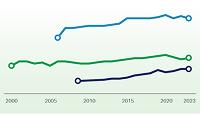
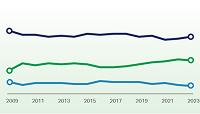
Gallup's State of the Global Workplace: 2026 Report shows that employees' daily negative emotions remain well above pre-pandemic levels globally. In 2025:
Only 20% of employees worldwide are engaged at work, and just 34% are thriving in their overall lives, leaving about two-thirds of employees who are struggling or suffering.
Together, these figures reflect a global workforce under sustained emotional pressure, which can contribute to burnout.
Engagement and Burnout Among Women
U.S. women employed full time are more engaged at work and more motivated for career advancement than men, yet women are also more likely to experience burnout. Gallup's Q4 2025 workplace data show that 31% of women say they very often or always feel burned out, compared with 23% of men, even though women lead men in employee engagement by 6 percentage points. This coexistence of high engagement and high burnout raises questions about whether unaddressed burnout could limit women's long-term leadership trajectories.

Tracking engagement, burnout and career growth motivation together can give leaders additional insight into workforce sustainability, particularly for women in or approaching leadership roles.

The Effects of Burnout on Organizations
The Effects of Burnout on Organizations
Burnout costs organizations across three areas:
-
Productivity and performance decline as exhaustion leads to lower performance, increased absenteeism and reduced confidence.
-
Turnover and related costs increase as burned out employees actively seek other job opportunities, creating costly replacement cycles.
-
Team morale weakens as burnout increases workloads and stress for other team members.
$322 billion The Global Cost of Burnout When low wellbeing manifests as employee burnout, it costs the global economy $322 billion annually in turnover and lost productivity.
Productivity and Performance
Burnout takes a direct toll on performance. Gallup research shows that employees who say they very often or always experience burnout at work are 63% more likely to take a sick day and 13% less confident in their own performance.
Employees experiencing burnout often shift their focus from growth and contribution to simply getting through the day. They become less receptive to coaching, less likely to discuss performance goals with their manager, and less capable of the creative thinking organizations need for sound decision-making, quality control, and exceptional results.
Burnout also affects customer experiences. Gallup research shows that employees who very often or always feel burned out are:
- 32% less likely to feel great responsibility for the quality of their organization's products or services
- 58% less likely to say their coworkers always do what is right for customers
- 56% less likely to say their organization always delivers on its promises to customers
Turnover and Related Costs
Persistent workplace frustrations and workload concerns can lead to burnout, and burnout often leads employees to leave. Gallup research shows that employees who very often or always feel burned out are 74% more likely to be looking for another job. According to other Gallup research on employee retention:
- 42% of employees who voluntarily left their organization say their manager or organization could have done something to prevent their departure
- 45% of those leavers report that no manager or leader proactively discussed how their job was going in the three months prior to leaving
- 70% of preventable leavers reported that actions related to how they are managed daily could have prevented them from leaving, including creating more positive personal interactions with their manager (21%), addressing frustrating organizational issues (13%), or improving staffing or workload concerns (9%)
Gallup estimates that replacing a leader or manager costs about 200% of their salary, a technical professional about 80% and a frontline employee about 40%.
Team Morale
As burnout reduces an employee’s productivity, workloads and stress levels often increase for other team members, decreasing team morale and reinforcing the conditions that contributed to burnout in the first place.
Organizations that fail to address the causes of burnout, such as unmanageable workloads, lack of manager support and unreasonable time pressure, risk creating a burnout culture. Taking deliberate steps to reduce employee burnout protects both individuals and the entire organization’s health and performance.
Build a Burnout-Resistant Culture
Help Your Employees Thrive
Gallup partners with organizations to measure and improve employee wellbeing, reduce burnout, and build the conditions where people and performance flourish.