GALLUP NEWS SERVICE
PRINCETON, NJ -- The CNN/USA Today/Gallup post-Republican convention poll -- the first national poll conducted entirely after the completion of that convention -- shows George W. Bush getting a small increase in voter support. Bush's share of the vote among likely voters increased two percentage points, from 50% to 52%, while Democratic presidential candidate John Kerry's share dropped by an equal amount, in the two-way race. Bush now leads Kerry by 52% to 45% among likely voters, compared with a 50% to 47% lead for Bush prior to the convention. Bush maintains that same 52% to 45% margin when independent candidate Ralph Nader, who receives 1% support among likely voters, is included in the ballot question.
Notably, this is the first time Bush has had a lead over Kerry beyond the poll's margin of error since Kerry's surprise victory in the Iowa caucuses propelled him to his party's nomination.
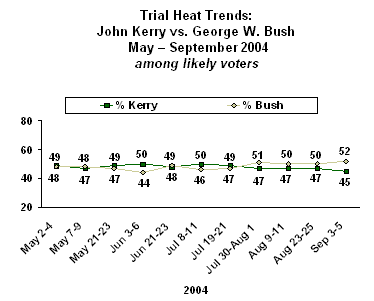
Bush received the same two-point "bounce" in his support among registered voters, from 47% before the convention to 49% afterward. Among this group, the candidates are essentially tied, with 49% saying they would vote for Bush and 48% for Kerry in the two-candidate race; and 48% for Bush, 46% for Kerry, and 4% for Nader in the three-candidate race.

The difference between Bush's lead among likely voters and the statistical dead heat among registered voters underscores the importance of voter turnout. Kerry does better among the larger pool of registered voters, suggesting that a very high (but probably unrealistic) voter turnout would benefit Kerry if the political conditions remain as they are today. Since 1980, turnout among U.S. adults has averaged 52% in presidential elections. However, the high level of attention being paid to the 2004 election -- 78% of adults in the latest poll say they have given "quite a lot of thought" to it -- suggests a high probability that turnout will be above average this year. Gallup's "likely voter" model at this point assumes 55% of the voting-age population will vote this year, which would match the turnout figures from 1992 and 1972. Turnout has not exceeded 55% since 18-year-olds were given the right to vote prior to the 1972 election.
The Bush Bounce in Historical Context
Bush's two-point convention bounce is one of the smallest registered in Gallup polling history, along with Hubert Humphrey's two-point bounce following the 1968 Democratic convention, George McGovern's zero-point bounce following the 1972 Democratic convention, and Kerry's "negative bounce" of one point among registered voters earlier this year. Bush's bounce is the smallest an incumbent president has received.
The following table summarizes the convention bounces among registered voters going back to 1964. Gallup calculates a convention bounce as the increase in a candidate's vote share from the polls conducted immediately before and immediately after the party's nominating convention.
|
Historical Convention Bounces, 1964-2004 Gallup Polls, Registered Voters
|
||||
|
Year |
Democratic candidate |
Post- |
Republican candidate |
Post- |
|
|
|
|
|
|
|
2004 |
Kerry |
-1 |
G.W. Bush |
2 |
|
2000 |
Gore |
8 |
G.W. Bush |
8 |
|
1996 |
Clinton |
5 |
Dole |
3 |
|
1992 |
Clinton |
16 |
G.H.W. Bush |
5 |
|
1988 |
Dukakis |
7 |
G.H.W. Bush |
6 |
|
1984 |
Mondale |
9 |
Reagan |
4 |
|
1980 |
Carter |
10 |
Reagan |
8 |
|
1976 |
Carter |
9 |
Ford |
5 |
|
1972 |
McGovern |
0 |
Nixon |
7 |
|
1968 |
Humphrey |
2 |
Nixon |
5 |
|
1964 |
Johnson |
3 |
Goldwater |
5 |
The fact that neither candidate got much of a bounce from his convention is not surprising given that levels of attention paid to the 2004 election were extremely high even before the convention period began. And the current level of attention rivals those found at the end of campaigns in higher-turnout election years like 1960, 1968, and 1992. Also, 65% of registered voters say they are "more enthusiastic about voting than usual" compared to previous elections, which has been the majority sentiment all year. By comparison, in October 2000 just 38% said they were more enthusiastic about voting, and in October 1996 only 17% said so.
Prior to this year, Democratic candidates had averaged a 6.9-point post-convention bounce in the registered voter figure (5.9 points excluding the unusually high 1992 bounce) and Republicans had averaged a 5.6-point bounce.
Public Ratings of the GOP Convention
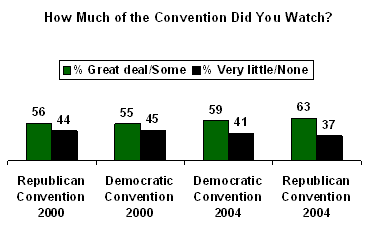
Sixty-three percent of Americans say they watched a great deal (26%) or some (37%) of the Republican convention in New York. That's slightly higher than the 59% who watched that amount (including 25% who watched a great deal) of the Democratic convention in Boston in late July. Both figures are higher than what Gallup measured for the 2000 conventions.
In general, the data show that the public rates the Republican convention no better -- and in some cases, slightly worse -- than other recent party conventions. This may also help to explain why Bush did not get a larger bounce from the Republican meeting in New York City.
For example, the public rated Bush's Thursday night speech similarly to other recent acceptance speeches. Forty-nine percent of Americans gave Bush's speech a positive review, saying it was "excellent" (22%) or "good" (27%). That's just slightly worse than the 52% who rated Kerry's July acceptance speech in positive terms. In 2000, 51% rated then-Gov. Bush's acceptance positively.
|
Ratings of Convention Nomination Acceptance Speeches, 1996-2004
|
|||||||
|
|
|
|
|
|
|
DIDN'T SEE (vol.) |
|
|
|
% |
% |
% |
% |
% |
% |
% |
|
George W. Bush |
|
|
|
|
|
|
|
|
2004 Sep 3-5 |
22 |
27 |
19 |
4 |
4 |
21 |
3 |
|
|
|
|
|
|
|
|
|
|
John Kerry |
|
|
|
|
|
|
|
|
2004 Jul 30-Aug 1 |
25 |
27 |
19 |
5 |
4 |
19 |
1 |
|
|
|
|
|
|
|
|
|
|
Al Gore |
|
|
|
|
|
|
|
|
2000 Aug 18-19 |
18 |
33 |
18 |
4 |
2 |
23 |
1 |
|
|
|
|
|
|
|
|
|
|
George W. Bush |
|
|
|
|
|
|
|
|
2000 Aug 4-5 |
19 |
32 |
17 |
3 |
1 |
26 |
2 |
|
|
|
|
|
|
|
|
|
|
Bob Dole |
|
|
|
|
|
|
|
|
1996 Aug 16-18 |
20 |
32 |
21 |
5 |
2 |
17 |
3 |
Forty-one percent of Americans say what they saw or read of the Republican convention makes them more likely to support Bush, while 38% say less likely. Americans were slightly more enthusiastic about the Democratic convention, as 44% said it made them more likely to vote for Kerry, and 30% said less likely. That 41% figure for the Republican convention is actually the lowest Gallup has measured dating back to the 1984 Democratic convention.
|
|
More |
Less |
NO DIFFERENCE (vol.) |
No |
|||
|
|
% |
% |
% |
% |
|||
|
Post-GOP Convention 2004 |
41 |
38 |
15 |
6 |
|||
|
Post-Dem. Convention 2004 ^ |
44 |
30 |
18 |
8 |
|||
|
Post-Dem. Convention 2000 ^ |
43 |
28 |
19 |
10 |
|||
|
Post-GOP Convention 2000 ^ |
44 |
27 |
15 |
14 |
|||
|
Post-Dem. Convention 1996 |
44 |
29 |
19 |
8 |
|||
|
Post-GOP Convention 1996 ^ |
45 |
34 |
13 |
8 |
|||
|
Post-Dem. Convention 1992 ^ |
60 |
15 |
17 |
8 |
|||
|
Post-GOP Convention 1988 ^ |
43 |
27 |
16 |
14 |
|||
|
Post-Dem. Convention 1988 ^ |
56 |
21 |
9 |
14 |
|||
|
Post-Dem. Convention 1984 ^ |
45 |
29 |
12 |
14 |
|||
|
|
|
|
|
|
|||
|
^ Asked in a list of items. |
|||||||
And half the public thought the Republicans "spent too much time criticizing the Democrats" at their convention, while 39% thought the Republicans "achieved the right balance between criticizing the Democrats and saying positive things about themselves." Speeches by Democratic Sen. Zell Miller, Vice President Dick Cheney, and a host of other speakers were marked by negative commentary on Kerry's fitness to be commander in chief.
A similar measure is not available for this year's Democratic convention. The 2004 GOP convention is rated as being more negative than either 2000 convention, although the 1992 Republican convention still rates as more negative.
|
Views of Conventions as Being Too Critical of Other Party, 1992, 2000, and 2004
|
|||
|
|
Maintained right balance |
Too much time criticizing |
No |
|
|
% |
% |
% |
|
Post-GOP Convention 2004 |
|
|
|
|
2004 Sep 3-5 |
39 |
50 |
11 |
|
|
|
|
|
|
Post-Dem Convention 2000 |
|
|
|
|
2000 Aug 18-19 |
47 |
34 |
19 |
|
|
|
|
|
|
Post-GOP Convention 2000 |
|
|
|
|
2000 Aug 4-5 |
45 |
38 |
17 |
|
|
|
|
|
|
Post-GOP Convention 1992 |
|
|
|
|
1992 Aug 19-20 |
26 |
56 |
18 |
Similarly, 52% of Americans say the Republican Party has attacked John Kerry unfairly, compared with 48% who said this before the Republican convention.
Convention Effects
The needle did move in a positive direction for Bush on several measures following the convention.
- Fifty-two percent of Americans now say they approve of the job
Bush is doing as president, compared with 49% before the
convention. Bush's approval rating has hovered just below the 50%
mark since May, but did break the 50% barrier in an Aug. 9-11 poll
in addition to the latest poll. If Bush can maintain his current
job approval level or increase it, he would be a strong bet for
re-election, as recent incumbents who successfully sought a second
term generally had approval ratings in excess of 50%.
- The convention did not serve to increase perceptions that Bush
would do a better job as commander in chief than Kerry, when voters
were asked to choose between the two candidates. The 51%-45% edge
Bush has now is virtually identical to a 51%-43% edge before the
convention. However, a higher proportion now say Bush can handle
the responsibilities of commander in chief than did so following
the Democratic convention in July (68%, compared with 61%), and a
lower percentage now believe Kerry can handle those
responsibilities (55%, compared with 63% after the Democratic
convention).
- Cheney is now viewed slightly more positively than before the
convention. Forty-eight percent rate him favorably, compared with
44% previously. Bush's favorable ratings did not change (54%
pre-convention, 55% post-convention), nor did Kerry's (52%
pre-convention, 53% post-convention).
- Fifty-nine percent of Americans now say Bush "has the
personality and leadership qualities a president should," compared
with 55% before the convention. Now, only 51% say this about Kerry,
compared with 58% before the Republican convention.
- Bush increased his advantage over Kerry on the issues of
terrorism and Iraq. Bush now has a 27-point edge (61% to 34%) over
Kerry on terrorism after being ahead by 17 points (54% to 37%)
prior to the convention. Similarly, on Iraq, a 6-point edge (49% to
43%) has stretched to 13 points (54% to 41%). On the economy, Bush
managed to reduce Kerry's advantage only slightly, from 49%-43%
before the convention to 49%-46% afterward.
- The perception that Bush rather than Kerry is better described
as "a strong and decisive leader" -- already a significant plus for
the president heading into the convention -- increased even more.
Whereas Bush had a 20-point advantage before the convention (54% to
34%), he now has a 28-point advantage (60% to 32%).
- Republicans are now more enthusiastic about voting than they
were before the convention. Seventy percent of Republicans say they
are extremely or very enthusiastic, compared with 60% before the
convention. By comparison, 57% of Democrats are enthusiastic about
voting, compared with 63% before the convention.
Survey Methods
These results are based on telephone interviews with a randomly selected national sample of 1,018 adults, aged 18 and older, conducted Sept. 3-5, 2004. For results based on this sample, one can say with 95% confidence that the maximum error attributable to sampling and other random effects is ±3 percentage points. In addition to sampling error, question wording and practical difficulties in conducting surveys can introduce error or bias into the findings of public opinion polls.
2. Now, suppose that the presidential election were being held today, and it included John Kerry and John Edwards as the Democratic candidates and George W. Bush and Dick Cheney as the Republican candidates. Would you vote for -- [ROTATED: John Kerry and John Edwards, the Democrats (or) George W. Bush and Dick Cheney, the Republicans]?
2A. As of today, do you lean more toward -- [ROTATED: Kerry and Edwards, the Democrats (or) Bush and Cheney, the Republicans]?
|
|
Kerry- Edwards |
Bush- Cheney |
OTHER (vol.) |
NEITHER (vol.) |
No |
|
|
% |
% |
% |
% |
% |
|
Likely Voters |
|
|
|
|
|
|
2004 Sep 3-5 |
45 |
52 |
* |
1 |
2 |
|
2004 Aug 23-25 |
47 |
50 |
-- |
1 |
2 |
|
2004 Aug 9-11 |
47 |
50 |
* |
1 |
2 |
|
2004 Jul 30-Aug 1 |
47 |
51 |
* |
* |
2 |
|
2004 Jul 19-21 |
49 |
47 |
* |
2 |
2 |
|
2004 Jul 8-11 ^ |
50 |
46 |
* |
2 |
2 |
|
2004 Jun 21-23 |
48 |
49 |
* |
1 |
2 |
|
2003 Jun 3-6 |
50 |
44 |
1 |
2 |
3 |
|
2004 May 21-23 |
49 |
47 |
* |
1 |
3 |
|
2004 May 7-9 |
47 |
48 |
1 |
2 |
2 |
|
2004 May 2-4 |
49 |
48 |
* |
1 |
2 |
|
2004 Apr 16-18 |
46 |
51 |
* |
2 |
1 |
|
2004 Apr 5-8 |
45 |
48 |
1 |
4 |
2 |
|
2004 Mar 26-28 |
47 |
51 |
-- |
1 |
1 |
|
2004 Mar 5-7 |
52 |
44 |
1 |
2 |
1 |
|
2004 Feb 16-17 |
55 |
43 |
* |
1 |
1 |
|
2004 Feb 6-8 |
48 |
49 |
* |
1 |
2 |
|
2004 Jan 29-Feb 1 |
53 |
46 |
-- |
* |
1 |
|
2004 Jan 9-11 |
43 |
55 |
* |
1 |
1 |
|
|
|
|
|
|
|
|
Registered Voters |
|
|
|
|
|
|
2004 Sep 3-5 |
48 |
49 |
* |
2 |
1 |
|
2004 Aug 23-25 |
48 |
47 |
-- |
2 |
3 |
|
2004 Aug 9-11 |
47 |
48 |
1 |
2 |
2 |
|
2004 Jul 30-Aug 1 |
48 |
48 |
* |
1 |
3 |
|
2004 Jul 19-21 |
49 |
45 |
* |
3 |
3 |
|
2004 Jul 8-11 ^ |
51 |
44 |
* |
2 |
3 |
|
2004 Jun 21-23 |
49 |
45 |
1 |
2 |
3 |
|
2004 Jun 3-6 |
49 |
44 |
* |
3 |
4 |
|
2004 May 21-23 |
48 |
46 |
* |
2 |
4 |
|
2004 May 7-9 |
50 |
44 |
* |
3 |
3 |
|
2004 May 2-4 |
47 |
47 |
1 |
2 |
3 |
|
2004 Apr 16-18 |
46 |
50 |
* |
2 |
2 |
|
2004 Apr 5-8 |
48 |
46 |
1 |
3 |
3 |
|
2004 Mar 26-28 |
46 |
49 |
* |
2 |
3 |
|
2004 Mar 5-7 |
50 |
45 |
1 |
2 |
2 |
|
2004 Feb 16-17 |
51 |
46 |
* |
2 |
1 |
|
2004 Feb 6-8 |
49 |
48 |
* |
1 |
2 |
|
2004 Jan 29-Feb 1 |
51 |
46 |
-- |
1 |
2 |
|
2004 Jan 9-11 |
40 |
57 |
-- |
2 |
1 |
|
2003 Nov 10-12 |
46 |
52 |
-- |
1 |
1 |
|
2003 Sep 19-21 |
48 |
47 |
1 |
2 |
2 |
|
|
|
|
|
|
|
|
^ Vice presidential candidates Edwards and Cheney added beginning with the July 8-11, 2004, survey. |
|||||
|
* Less than 0.5% |
|||||
|
(vol.) Volunteered response |
|||||
3. Are you certain now that you will vote for [John Kerry/George W. Bush] for president next fall, or do you think you may change your mind between now and the November election?
COMBINED RESULTS: Q.2/2A/3
|
|
|
Vote for Kerry, may change mind |
Vote for Bush, may change mind |
|
|
|
|
|
% |
% |
% |
% |
% |
% |
|
Likely Voters |
|
|
|
|
|
|
|
2004 Sep 3-5 |
40 |
5 |
4 |
48 |
3 |
12 |
|
2004 Aug 23-25 |
39 |
8 |
6 |
44 |
3 |
17 |
|
2004 Jul 30-Aug 1 |
42 |
5 |
5 |
46 |
2 |
12 |
|
2004 Jul 19-21 |
43 |
6 |
7 |
40 |
4 |
17 |
|
2004 May 21-23 |
42 |
7 |
7 |
40 |
4 |
18 |
|
2004 Mar 26-28 |
40 |
7 |
7 |
44 |
2 |
16 |
|
2004 Mar 5-7 |
45 |
7 |
6 |
38 |
4 |
17 |
|
|
|
|
|
|
|
|
|
Registered Voters |
|
|
|
|
|
|
|
2004 Sep 3-5 |
41 |
7 |
6 |
43 |
3 |
16 |
|
2004 Aug 23-25 |
39 |
9 |
8 |
39 |
5 |
22 |
|
2004 Jul 30-Aug 1 |
42 |
6 |
7 |
41 |
4 |
17 |
|
2004 Jul 19-21 |
41 |
8 |
9 |
36 |
6 |
23 |
|
2004 May 21-23 |
37 |
11 |
11 |
35 |
6 |
28 |
|
2004 Mar 26-28 |
34 |
12 |
11 |
38 |
5 |
28 |
|
2004 Mar 5-7 |
40 |
10 |
9 |
36 |
5 |
24 |
|
|
|
|
|
|
|
|
|
NOTE: "Swing voters" include those who are uncertain about their vote choice or have no opinion as to whom they would vote for. |
||||||
4. Now, suppose that the presidential election were being held today, and it included John Kerry and John Edwards as the Democratic candidates, George W. Bush and Dick Cheney as the Republican candidates, and Ralph Nader and Peter Camejo as independent candidates. Would you vote for -- [ROTATED: Kerry and Edwards, the Democrats, Bush and Cheney, the Republicans, (or) Nader and Camejo, the independent candidates]?
4A. As of today, do you lean more toward -- [ROTATED: Kerry and Edwards, the Democrats, Bush and Cheney, the Republicans (or) Nader and Camejo, the independents]?
|
|
Kerry- |
Bush- |
Nader- |
OTHER |
NONE (vol.) |
No |
|
Likely Voters |
% |
% |
% |
% |
% |
% |
|
2004 Sep 3-5 |
45 |
52 |
1 |
-- |
* |
2 |
|
2004 Aug 23-25 |
46 |
48 |
4 |
* |
* |
2 |
|
2004 Aug 9-11 |
46 |
48 |
3 |
* |
1 |
2 |
|
2004 Jul 30-Aug 1 |
45 |
51 |
2 |
* |
1 |
1 |
|
2004 Jul 19-21 |
47 |
46 |
4 |
* |
1 |
2 |
|
2004 Jul 8-11 ^ |
50 |
45 |
2 |
* |
1 |
2 |
|
2004 Jun 21-23 |
47 |
48 |
3 |
* |
* |
2 |
|
2004 Jun 3-6 |
49 |
43 |
5 |
1 |
* |
2 |
|
2004 May 21-23 |
47 |
46 |
4 |
* |
1 |
2 |
|
2004 May 7-9 |
45 |
47 |
5 |
-- |
2 |
1 |
|
2004 May 2-4 |
47 |
47 |
3 |
* |
1 |
2 |
|
2004 Apr 16-18 |
44 |
50 |
4 |
* |
* |
2 |
|
2004 Apr 5-8 |
43 |
47 |
4 |
1 |
2 |
3 |
|
2004 Mar 26-28 |
45 |
49 |
4 |
-- |
1 |
1 |
|
2004 Mar 5-7 |
50 |
44 |
2 |
1 |
1 |
2 |
|
|
|
|
|
|
|
|
|
Registered Voters |
|
|
|
|
|
|
|
2004 Sep 3-5 |
46 |
48 |
4 |
-- |
1 |
1 |
|
2004 Aug 23-25 |
46 |
46 |
4 |
* |
1 |
3 |
|
2004 Aug 9-11 |
45 |
46 |
5 |
* |
1 |
3 |
|
2004 Jul 30-Aug 1 |
47 |
48 |
2 |
* |
1 |
2 |
|
2004 Jul 19-21 |
47 |
43 |
5 |
* |
2 |
3 |
|
2004 Jul 8-11 ^ |
50 |
42 |
4 |
* |
1 |
3 |
|
2004 Jun 21-23 |
46 |
45 |
6 |
1 |
* |
2 |
|
2004 Jun 3-6 |
45 |
42 |
7 |
1 |
1 |
4 |
|
2004 May 21-23 |
46 |
44 |
6 |
* |
1 |
3 |
|
2004 May 7-9 |
46 |
41 |
7 |
* |
3 |
3 |
|
2004 May 2-4 |
44 |
45 |
6 |
1 |
1 |
3 |
|
2004 Apr 16-18 |
44 |
47 |
5 |
* |
1 |
3 |
|
2004 Apr 5-8 |
46 |
45 |
5 |
* |
2 |
2 |
|
2004 Mar 26-28 |
43 |
48 |
5 |
-- |
1 |
3 |
|
2004 Mar 5-7 |
47 |
45 |
5 |
* |
1 |
2 |
|
* Less than 0.5% |
||||||
|
(vol.) Volunteered response |
||||||
9. Compared to previous elections, are you more enthusiastic about voting than usual, or less enthusiastic?
BASED ON 449 REGISTERED VOTERS IN FORM
A
BASED ON 488 NATIONAL ADULTS IN FORM
A
|
|
More |
Less |
|
No |
|
|
% |
% |
% |
% |
| Registered voters |
|
|
|
|
|
2004 Sep 3-5 ^ |
65 |
23 |
11 |
1 |
|
2004 Aug 23-25 ^ |
60 |
29 |
11 |
-- |
|
2004 Jul 30-Aug 1 ^ |
69 |
22 |
9 |
-- |
|
2004 Jul 19-21 ^ |
60 |
25 |
14 |
1 |
|
2004 Mar 26-28 |
52 |
29 |
18 |
1 |
|
2004 Jan 29-Feb 1 |
56 |
32 |
10 |
1 |
|
2000 Oct 13-15 |
38 |
39 |
20 |
3 |
|
2000 Mar 10-12 |
39 |
38 |
22 |
1 |
|
2000 Jan 7-10 |
45 |
37 |
17 |
1 |
|
1996 Oct 23-24 |
17 |
36 |
45 |
2 |
|
|
|
|
|
|
|
National adults |
|
|
|
|
|
2004 Sep 3-5 ^ |
64 |
24 |
11 |
1 |
|
2004 Aug 23-25 ^ |
57 |
32 |
10 |
1 |
|
2004 Jul 30-Aug 1 ^ |
67 |
25 |
8 |
* |
|
2004 Jul 19-21 ^ |
59 |
27 |
13 |
1 |
|
2004 Mar 26-28 |
51 |
32 |
16 |
1 |
|
2004 Jan 29-Feb 1 |
55 |
34 |
10 |
1 |
|
2000 Mar 10-12 |
37 |
40 |
21 |
2 |
|
2000 Jan 7-10 |
43 |
38 |
17 |
2 |
|
|
|
|
|
|
|
Republicans/Republican leaners |
||||
|
2004 Sep 3-5 ^† |
69 |
18 |
13 |
* |
|
2004 Aug 23-25 ^ |
60 |
30 |
9 |
1 |
|
2004 Jul 30-Aug 1 ^ |
62 |
27 |
11 |
* |
|
2004 Jul 19-21 ^ |
51 |
32 |
15 |
2 |
|
2004 Mar 26-28 |
52 |
27 |
20 |
1 |
|
2004 Jan 29-Feb 1 |
53 |
31 |
15 |
1 |
|
2000 Mar 10-12 |
45 |
32 |
22 |
1 |
|
2000 Jan 7-10 |
51 |
32 |
16 |
1 |
|
|
|
|
|
|
|
Democrats/Democratic leaners |
||||
|
2004 Sep 3-5 ^† |
62 |
29 |
7 |
2 |
|
2004 Aug 23-25 ^ |
60 |
30 |
10 |
* |
|
2004 Jul 30-Aug 1 ^ |
73 |
21 |
6 |
-- |
|
2004 Jul 19-21 ^ |
68 |
20 |
12 |
-- |
|
2004 Mar 26-28 |
51 |
35 |
13 |
1 |
|
2004 Jan 29-Feb 1 |
59 |
34 |
6 |
1 |
|
2000 Mar 10-12 |
33 |
47 |
19 |
1 |
|
2000 Jan 7-10 |
39 |
42 |
17 |
2 |
|
|
|
|
|
|
|
^ Asked of half sample. |
||||
|
† BASED ON -- 239 -- REPUBLICANS OR REPUBLICAN LEANERS;
±7 PCT. PTS. |
||||
|
NOTE: Trend for presidential elections. |
||||
|
* Less than 0.5% |
||||
|
(vol.) Volunteered response |
||||
10. How enthusiastic would you say you are about voting for president in this year's election -- extremely enthusiastic, very enthusiastic, somewhat enthusiastic, not too enthusiastic, or not at all enthusiastic?
BASED ON 477 REGISTERED VOTERS IN FORM
B
BASED ON 530 NATIONAL ADULTS IN FORM B
|
|
Extremely |
|
Somewhat |
Not too |
Not at all |
No opinion |
|
|
% |
% |
% |
% |
% |
% |
| Registered voters |
|
|
|
|
|
|
|
2004 Sep 3-5 |
32 |
32 |
23 |
9 |
4 |
* |
|
2004 Aug 23-25 |
34 |
30 |
22 |
6 |
7 |
1 |
|
2004 Jul 30-Aug 1 |
34 |
31 |
25 |
6 |
4 |
* |
|
2004 Jul 19-21 |
28 |
33 |
21 |
13 |
4 |
1 |
|
2003 Oct 24-26 ^ |
19 |
34 |
31 |
11 |
4 |
1 |
|
|
|
|
|
|
|
|
|
National adults |
|
|
|
|
|
|
|
2004 Sep 3-5 |
29 |
31 |
24 |
9 |
7 |
* |
|
2004 Aug 23-25 |
30 |
29 |
23 |
7 |
10 |
1 |
|
2004 Jul 30-Aug 1 |
33 |
29 |
24 |
7 |
7 |
* |
|
2004 Jul 19-21 |
25 |
31 |
22 |
13 |
8 |
1 |
|
2003 Oct 24-26 ^ |
18 |
32 |
32 |
12 |
5 |
1 |
|
|
|
|
|
|
|
|
|
Republicans/Republican leaners |
||||||
|
2004 Sep 3-5 † |
31 |
39 |
21 |
6 |
3 |
* |
|
2004 Aug 23-25 |
33 |
27 |
24 |
7 |
9 |
* |
|
2004 Jul 30-Aug 1 |
35 |
28 |
25 |
7 |
5 |
* |
|
2004 Jul 19-21 |
27 |
33 |
24 |
13 |
3 |
1 |
|
2003 Oct 24-26 ^ |
19 |
39 |
32 |
7 |
2 |
1 |
|
|
|
|
|
|
|
|
|
Democrats/Democratic leaners |
||||||
|
2004 Sep 3-5 † |
31 |
26 |
23 |
10 |
10 |
* |
|
2004 Aug 23-25 |
31 |
32 |
25 |
8 |
3 |
1 |
|
2004 Jul 30-Aug 1 |
33 |
32 |
22 |
8 |
5 |
* |
|
2004 Jul 19-21 |
26 |
31 |
21 |
13 |
7 |
2 |
|
2003 Oct 24-26 ^ |
19 |
29 |
31 |
16 |
5 |
* |
|
|
|
|
|
|
|
|
|
^ WORDING: How enthusiastic would you say you are about voting for president in next year's election -- extremely enthusiastic, very enthusiastic, somewhat enthusiastic, not too enthusiastic, or not at all enthusiastic? |
||||||
|
† BASED ON -- 265 -- REPUBLICANS OR REPUBLICAN LEANERS;
±7 PCT. PTS. |
||||||
|
* Less than 0.5% |
||||||
11. Which of the following do you think will be most important to you when you decide who to vote for -- [ROTATED: where the candidates stand on issues that matter to you (or) the leadership skills and vision that you think the candidates would have as president]?
|
|
Stance on |
Leadership skills and vision |
BOTH |
|
|
| Likely voters |
% |
% |
% |
% |
% |
|
2004 Sep 3-5 |
38 |
50 |
11 |
* |
1 |
|
2004 Jan 2-5 |
40 |
50 |
9 |
* |
1 |
|
|
|
|
|
|
|
| Registered voters |
|
|
|
|
|
|
2004 Sep 3-5 |
39 |
47 |
11 |
1 |
2 |
|
2004 Jan 2-5 |
42 |
50 |
7 |
* |
1 |
|
|
|
|
|
|
|
| National adults |
|
|
|
|
|
|
2004 Sep 3-5 |
39 |
47 |
12 |
* |
4 |
|
2004 Jan 2-5 |
41 |
50 |
7 |
* |
2 |
|
* Less than 0.5% |
|||||
|
(vol.) Volunteered response |
|||||
12. Please tell me whether you agree or disagree that -- [ROTATED: George W. Bush/John Kerry] -- has the personality and leadership qualities a president should have.
A. George W. Bush
|
|
Agree |
Disagree |
No opinion |
|
|
% |
% |
% |
|
2004 Sep 3-5 |
59 |
41 |
* |
|
|
|
|
|
|
2004 Jul 30-Aug 1 |
55 |
43 |
2 |
|
2004 Jul 19-21 |
55 |
44 |
1 |
|
2004 Mar 5-7 |
57 |
40 |
3 |
|
2004 Jan 9-11 |
66 |
33 |
1 |
|
2003 Sep 19-21 |
59 |
40 |
1 |
|
2003 Jun 27-29 |
64 |
35 |
1 |
|
2002 Jan 25-27 |
79 |
19 |
2 |
|
2001 Aug 10-12 |
57 |
41 |
2 |
|
2001 Jun 8-10 |
54 |
42 |
4 |
|
2000 Aug 18-19 ^ |
64 |
32 |
4 |
|
2000 Aug 11-12 ^ |
65 |
28 |
7 |
|
2000 Aug 4-5 ^ |
70 |
26 |
4 |
|
2000 Jul 25-26 ^ |
62 |
32 |
6 |
|
2000 Apr 7-9 ^ |
61 |
30 |
9 |
|
2000 Jan 17-19 ^ |
65 |
28 |
7 |
|
|
|
|
|
|
2001-JAN. 2004 WORDING: Please tell me whether you agree or disagree that George W. Bush has the personality and leadership qualities a president should have. |
|||
|
^ Bush and Al Gore rotated in question. |
|||
|
* Less than 0.5% |
|||
B. John Kerry
|
|
Agree |
Disagree |
No opinion |
|
|
% |
% |
% |
|
2004 Sep 3-5 |
51 |
45 |
4 |
|
|
|
|
|
|
2004 Jul 30-Aug 1 |
58 |
38 |
4 |
|
2004 Jul 19-21 |
53 |
41 |
6 |
|
2004 Mar 5-7 |
57 |
32 |
11 |
13. Please tell me whether you agree or disagree with -- [ROTATED: George W. Bush/John Kerry] -- on the issues that matter most to you.
A. George W. Bush
|
|
Agree |
Disagree |
No opinion |
|
|
% |
% |
% |
|
2004 Sep 3-5 |
50 |
48 |
2 |
|
|
|
|
|
|
2004 Jul 30-Aug 1 |
48 |
51 |
1 |
|
2004 Jul 19-21 |
47 |
50 |
3 |
|
2004 Mar 5-7 |
48 |
49 |
3 |
|
2004 Jan 9-11 |
55 |
44 |
1 |
|
2003 Sep 19-21 |
46 |
51 |
3 |
|
2003 Jun 27-29 |
53 |
46 |
1 |
|
2002 Jan 25-27 |
71 |
25 |
4 |
|
2001 Aug 10-12 |
52 |
42 |
6 |
|
2001 Jun 8-10 |
49 |
47 |
4 |
|
|
|
|
|
|
2001-JAN. 2004 WORDING: Please tell me whether you agree or disagree with George W. Bush on the issues that matter most to you. |
|||
B. John Kerry
|
|
Agree |
Disagree |
No opinion |
|
|
% |
% |
% |
|
2004 Sep 3-5 |
48 |
47 |
5 |
|
|
|
|
|
|
2004 Jul 30-Aug 1 |
52 |
43 |
5 |
|
2004 Jul 19-21 |
49 |
42 |
9 |
|
2004 Mar 5-7 |
46 |
39 |
15 |
14. If you had to choose, which of the following issues will be most important to your vote for president this year -- [ROTATED: the economy, terrorism, the situation in Iraq, (or) healthcare]?
|
|
Economy |
Terrorism |
Iraq |
Healthcare |
No opinion |
|
|
% |
% |
% |
% |
% |
| Likely voters |
|
|
|
|
|
|
2004 Sep 3-5 |
31 |
31 |
20 |
15 |
3 |
|
2004 Jul 19-21 ^ |
31 |
26 |
27 |
15 |
1 |
|
|
|
|
|
|
|
| Registered voters |
|
|
|
|
|
|
2004 Sep 3-5 |
32 |
28 |
21 |
16 |
3 |
|
2004 Jul 19-21 ^ |
33 |
22 |
27 |
19 |
* |
|
|
|
|
|
|
|
|
National adults |
|
|
|
|
|
|
2004 Sep 3-5 |
33 |
26 |
20 |
17 |
4 |
|
2004 Jul 19-21 ^ |
34 |
21 |
26 |
18 |
1 |
|
|
|
|
|
|
|
|
^ Re-calculated figures, removing volunteered "all" and "none" responses. |
|||||
|
* Less than 0.5% |
|||||
15. Next, regardless of which presidential candidate you support, please tell me if you think John Kerry or George W. Bush would better handle each of the following issues. How about -- [RANDOM ORDER]?
A. The economy
|
|
Kerry |
Bush |
SAME (vol.) |
No opinion |
|
|
% |
% |
% |
% |
|
2004 Sep 3-5 |
49 |
46 |
2 |
3 |
|
|
|
|
|
|
|
2004 Aug 23-25 ^ |
49 |
43 |
1 |
7 |
|
2004 Jul 30-Aug 1 |
53 |
43 |
1 |
3 |
|
2004 Jul 19-21 |
51 |
43 |
1 |
5 |
|
2004 Jun 21-23 ^ |
53 |
40 |
1 |
6 |
|
2004 May 7-9 ^ |
54 |
40 |
1 |
5 |
|
2004 Mar 5-7 |
50 |
42 |
2 |
6 |
|
|
||||
|
^ Asked of half sample. |
||||
B. The situation in Iraq
|
|
Kerry |
Bush |
SAME (vol.) |
No opinion |
|
|
% |
% |
% |
% |
|
2004 Sep 3-5 |
41 |
54 |
1 |
4 |
|
|
|
|
|
|
|
2004 Aug 23-25 ^ |
43 |
49 |
1 |
7 |
|
2004 Jul 30-Aug 1 |
48 |
47 |
2 |
3 |
|
2004 Jul 19-21 |
44 |
49 |
1 |
6 |
|
2004 Jun 21-23 ^ |
46 |
47 |
1 |
6 |
|
2004 May 7-9 ^ |
45 |
48 |
1 |
6 |
|
2004 Mar 5-7 |
39 |
54 |
2 |
5 |
|
|
||||
|
^ Asked of half sample. |
||||
C. Terrorism
|
|
Kerry |
Bush |
SAME (vol.) |
No opinion |
|
|
% |
% |
% |
% |
|
2004 Sep 3-5 |
34 |
61 |
1 |
4 |
|
|
|
|
|
|
|
2004 Aug 23-25 ^ |
37 |
54 |
2 |
7 |
|
2004 Jul 30-Aug 1 |
41 |
54 |
2 |
3 |
|
2004 Jul 19-21 |
38 |
56 |
1 |
5 |
|
2004 Jun 21-23 ^ |
40 |
54 |
1 |
5 |
|
2004 May 7-9 ^ |
38 |
55 |
1 |
6 |
|
2004 Mar 5-7 |
33 |
60 |
2 |
5 |
|
|
||||
|
^ Asked of half sample. |
||||
D. Healthcare
|
|
Kerry |
Bush |
SAME (vol.) |
No opinion |
|
|
% |
% |
% |
% |
|
2004 Sep 3-5 |
53 |
40 |
1 |
6 |
|
|
|
|
|
|
|
2004 Jul 30-Aug 1 |
57 |
36 |
2 |
5 |
|
2004 Jul 19-21 |
54 |
37 |
2 |
7 |
|
2004 Mar 5-7 |
55 |
36 |
2 |
7 |
|
(vol.) Volunteered response |
||||
16. Thinking about the following characteristics and qualities, please say whether you think each one applies more to John Kerry or more to George W. Bush. How about -- [RANDOM ORDER]?
A. Cares about the needs of people like you
|
|
|
|
BOTH |
NEITHER (vol.) |
No |
|
|
% |
% |
% |
% |
% |
|
2004 Sep 3-5 |
48 |
41 |
5 |
5 |
1 |
|
|
|
|
|
|
|
|
2004 Aug 23-25 ^ |
45 |
42 |
3 |
7 |
3 |
|
2004 Jul 30-Aug 1 |
52 |
40 |
2 |
4 |
2 |
|
2004 Jul 19-21 |
48 |
40 |
2 |
7 |
3 |
|
|
|
|
|
|
|
|
^ Asked of half sample. |
|||||
B. Has an optimistic vision for the country's future
|
|
|
|
BOTH |
NEITHER (vol.) |
No |
|
|
% |
% |
% |
% |
% |
|
2004 Sep 3-5 |
44 |
46 |
7 |
1 |
2 |
|
|
|
|
|
|
|
|
2004 Aug 23-25 ^ |
46 |
44 |
5 |
3 |
2 |
|
2004 Jul 30-Aug 1 |
51 |
41 |
6 |
1 |
1 |
|
2004 Jul 19-21 |
46 |
43 |
7 |
1 |
3 |
|
|
|
|
|
|
|
|
^ Asked of half sample. |
|||||
C. Is a strong and decisive leader
|
|
|
|
BOTH |
NEITHER (vol.) |
No |
|
|
% |
% |
% |
% |
% |
|
2004 Sep 3-5 |
32 |
60 |
4 |
3 |
1 |
|
|
|
|
|
|
|
|
2004 Aug 23-25 ^ |
34 |
54 |
2 |
5 |
5 |
|
2004 Jul 30-Aug 1 |
42 |
52 |
2 |
2 |
2 |
|
2004 Jul 19-21 |
37 |
54 |
3 |
3 |
3 |
|
2004 Jan 29-Feb 1 |
39 |
53 |
3 |
1 |
4 |
|
|
|
|
|
|
|
|
^ Asked of half sample. |
|||||
D. Is honest and trustworthy
|
|
|
|
BOTH |
NEITHER (vol.) |
No |
|
|
% |
% |
% |
% |
% |
|
2004 Sep 3-5 |
38 |
47 |
5 |
8 |
2 |
|
|
|
|
|
|
|
|
2004 Aug 23-25 ^ |
39 |
44 |
3 |
10 |
4 |
|
2004 Jul 30-Aug 1 |
46 |
44 |
3 |
5 |
2 |
|
2004 Jul 19-21 |
42 |
42 |
3 |
10 |
3 |
|
|
|
|
|
|
|
|
^ Asked of half sample. |
|||||
E. Shares your values
|
|
|
|
BOTH |
NEITHER (vol.) |
No |
|
|
% |
% |
% |
% |
% |
|
2004 Sep 3-5 |
45 |
48 |
2 |
3 |
2 |
|
|
|
|
|
|
|
|
2004 Aug 23-25 ^ |
45 |
45 |
2 |
5 |
3 |
|
2004 Jul 30-Aug 1 |
48 |
46 |
1 |
3 |
2 |
|
2004 Jul 19-21 |
47 |
44 |
2 |
4 |
3 |
|
2004 Jan 29-Feb 1 |
50 |
41 |
3 |
3 |
3 |
|
|
|
|
|
|
|
|
^ Asked of half sample. |
|||||
F. Will unite the country and not divide it
|
|
|
|
BOTH |
NEITHER (vol.) |
No |
|
|
% |
% |
% |
% |
% |
|
2004 Sep 3-5 |
46 |
44 |
3 |
5 |
2 |
|
|
|
|
|
|
|
|
2004 Jul 30-Aug 1 |
52 |
39 |
2 |
5 |
2 |
|
(vol.) Volunteered response |
|||||